

CSN Reports, Publications, Stormwater News
Urban Toxic Contaminants in the Chesapeake Bay
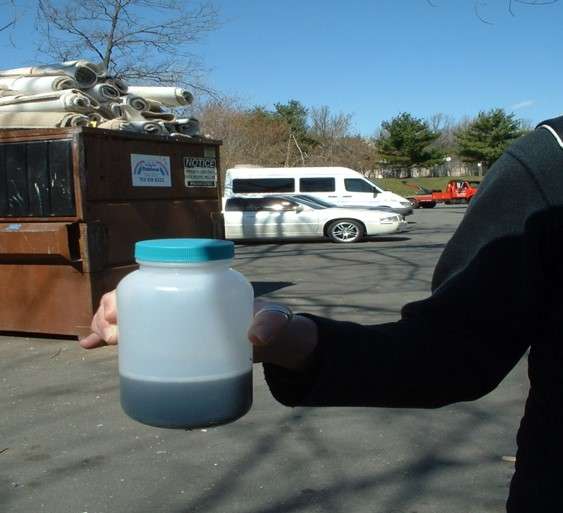
 One of the key outcomes under the Toxic Contaminant goal in the 2014 Chesapeake Bay Watershed Agreement is to “identify which best management practices (BMPs) might provide multiple benefits of reducing nutrient and sediment pollution as well as toxic contaminants in waterways”.
The key issue is whether BMPs and wastewater treatment upgrades used to comply with TMDL can also help to substantially reduce toxin inputs to local waterways and the Chesapeake Bay. Such multiple benefits could provide significant cost savings to the Chesapeake Bay Partnership to simultaneously meet the Bay TMDL and reduce toxic contaminants in the environment.
Therefore, the broad purpose of this study was to:
- Investigate the potential toxic contaminant reduction benefits that could be associated with the implementation of BMPs for sediment and nutrient reduction under the Bay TMDL.
- Provide water resource managers with better BMP data to develop more effective local TMDLs and action strategies to control toxic pollutants in the watershed.
The results of this one year research synthesis are summarized in two technical memos: Part 1 looks at how stormwater BMPs remove urban toxic contaminants whereas Part 2 examines how toxic contaminants are influenced by the agricultural and wastewater sectors in the Chesapeake Bay, with an emphasis on croplands, animal feeding operations and manure application, as well as discharges from wastewater treatment plants and land application of municipal biosolids. The second memo focuses on the following toxic contaminants:
- Pesticide applications (especially herbicides used for no-till)
- Biogenic hormones produced by both sectors
- Human and veterinary pharmaceuticals and antibiotics generated from both sectors
Both memos can be downloaded below or listen to a webcast we did on the research earlier this year –> you can check that out here!
Resources
[download id=”6557″ template=”box”]
[download id=”6651″ template=”box”]
Latest Resources
View All ResourcesDeveloped by the Virginia Department of Conservation and Recreation, this design specification (updated 2013) provides guidance on disconnecting rooftop runoff...
Developed by the Virginia Department of Conservation and Recreation, this design specification (Version 1.9, March 1, 2011) provides guidance on...
Developed by the Virginia Department of Environmental Quality, this design specification (Version 2, 2013) provides guidance on using grass channels...