

Key Pollutants
Sediment that collects on the street in urban areas can include particles from vehicle emissions and leaks, tire wear and tear, litter, leaves, pollen, and hydrocarbons. Leaky grey infrastructure, such as aging sanitary sewer lines, can introduce bacteria into ground water and surface water. Road salt applied in the winter can increase levels of chloride in waterbodies.
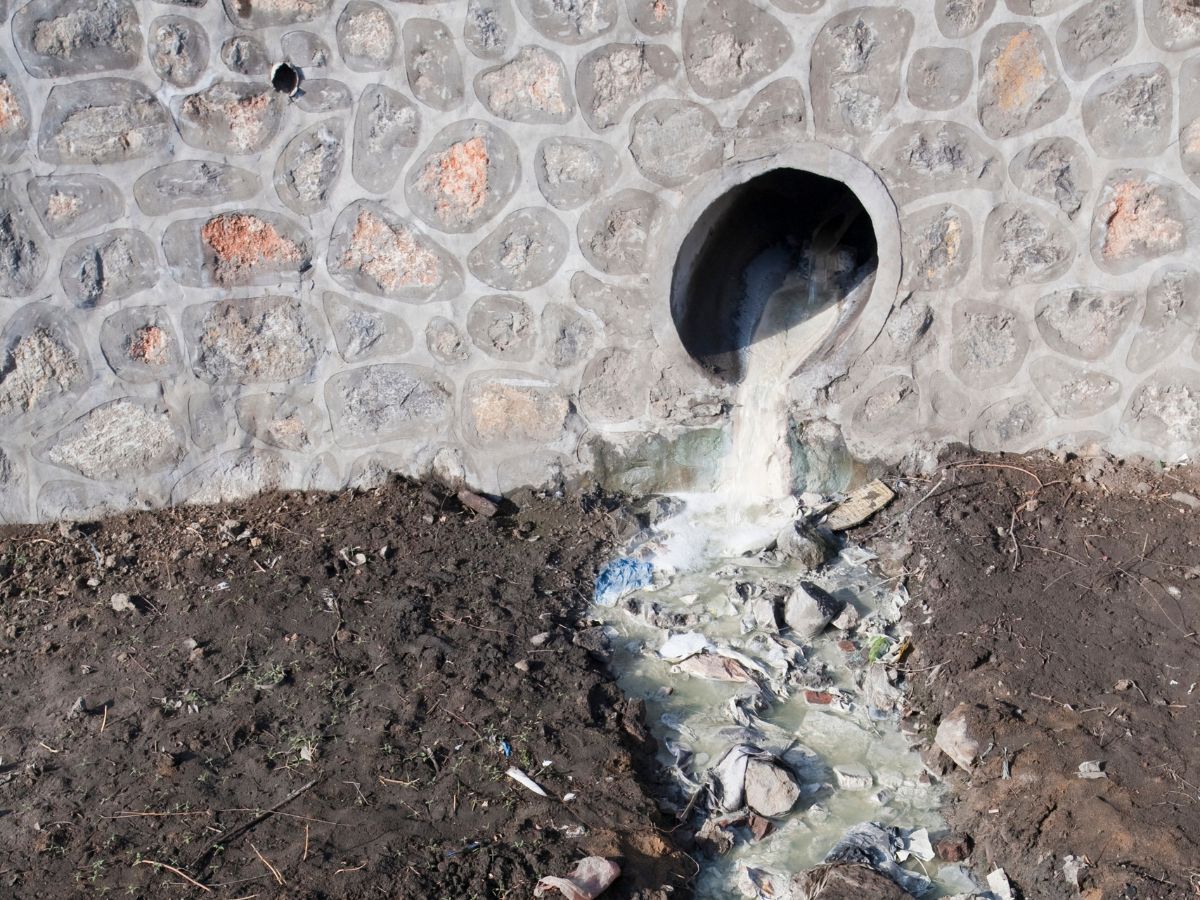
Excess nitrogen, phosphorus, and sediment are also managed as pollutants in many watersheds. These pollutants primarily come from agriculture, urban and suburban stormwater runoff, wastewater treatment plants, air deposition, and septic systems. Excess nutrients contribute to eutrophication, a process which causes more frequent and severe algal blooms. These blooms deplete oxygen in the water, a process known as hypoxia, killing fish and decreasing benthic diversity. This low oxygen also leads to “dead zones” in the Bay and contributes to overall loss of underwater grasses and habitat.
All of these pollutants pose risks to both human health and ecological health, triggering public health advisories, and posing risks for swimming, fishing, and drinking water supplies. Together, these impacts underscore why monitoring and managing pollutants is essential to protecting communities and the Bay, and why policies and stormwater management programs are designed to limit and control them.
Related Resources
View All ResourcesDeveloped by the Chesapeake Stormwater Network for the Chesapeake Bay Program Toxic Contaminant Work Group, this technical report (2015) synthesizes...
CSN Technical Bulletin No. 7, Stormwater Pollution Benchmarking Tool for Existing Industrial, Federal and Municipal Facilities (March 2010), presents a...
This fact sheet covers the basics of Urban Nutrient Management including benefits and best practices, where to find the best...