

Municipal Program BMPs
Street sweeping routes can be adjusted, public lawns can be managed to reduce fertilizer inputs, and outfall inspections can target subwatersheds with higher nutrient loads to track and eliminate sources.
Street Sweeping

5 Things to Know About Street Sweeping:
- Streets represent a significant fraction of impervious cover in the Chesapeake Bay watershed
- Currently, most Bay communities do not currently sweep streets or clean storm drains for water quality purposes, even if they have existing programs
- Currently existing programs can be adapted to provide a water quality benefit, but this would include upgrading fleets and using GIS tools to create a strategic program
- Some street sweepers are better at picking up solid materials such as debris or trash, but specific sweepers are needed to clean the fine-grained particles needed to reduce nutrient and sediment loads
- There are cobenefits to upgrading street sweeping programs, including public safety and aesthetics
Related Resources
View All ResourcesThis fact sheet covers the basics of Storm Drain Cleaning, including examples, tips for getting started, and computing the pollutant...
This fact sheet covers the basics of Street Cleaning Practices, including examples, tips for getting started, and computing the pollutant...
This expert panel report revises how sediment and nutrient removal credits are calculated for street sweeping and storm drain cleaning...
Urban Nutrient Management
This prevents nitrogen and phosphorus from washing into local waters.
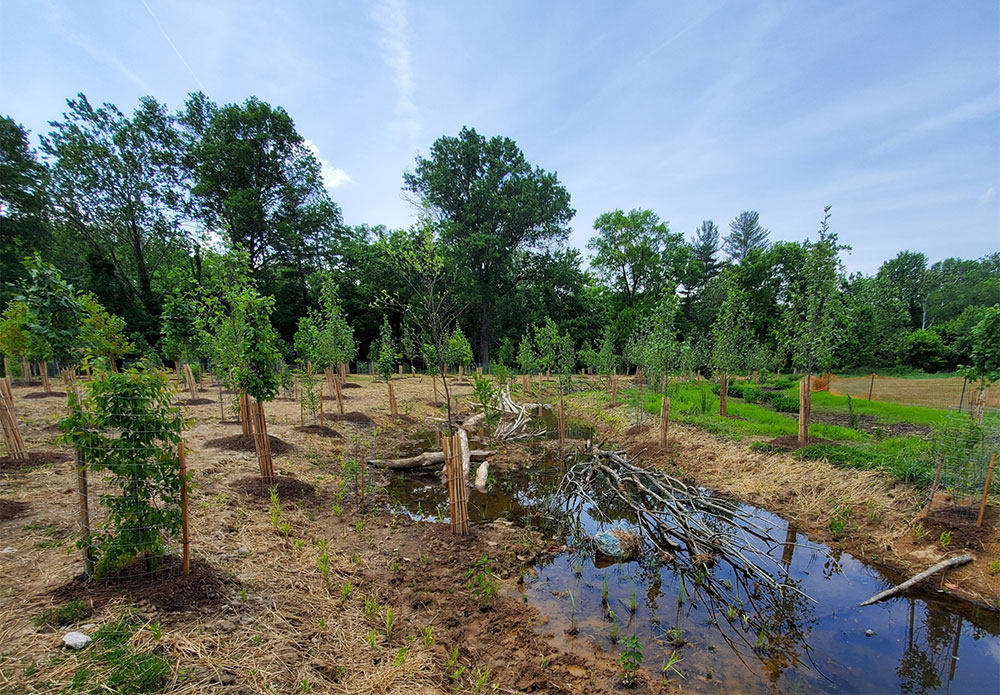
5 Things to Know about Urban Nutrient Management:
- Proper fertilizer management includes the rate, timing, and location of fertilizer application in addition to proper clipping management
- Generally, costs for UNM planning is low in relation to other practices, and reporting and record-keeping varies by practice
- Nutrient reductions can also be achieved when states pass legislation restricting the use of nitrogen or phosphorus in lawn maintenance fertilizer products
- Three different UNM practices are available to Bay communities: written UNM plans developed by a trained expert; signed homeowner pledges; un-fertilized healthy turf coverage
- Regular soil testing can help residents and property managers understand the health of their soils and tailor their fertilization rates.
Related Resources
View All ResourcesThis fact sheet covers the basics of Urban Nutrient Management including benefits and best practices, where to find the best...
The Urban Nutrient Management expert panel report was first approved in 2013. In the years since, the Chesapeake Bay Program...
Advanced IDDE Programs
They rely on proactive monitoring, mapping, and rapid response to protect water quality.
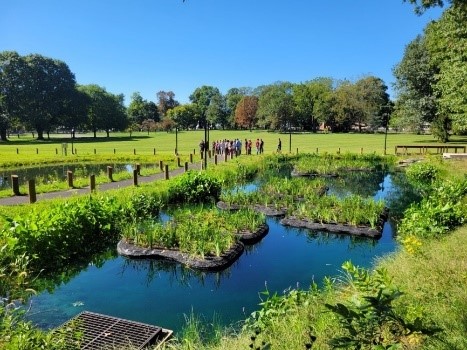
5 Things to Know about Advanced IDDE Programs:
- More than a thousand Bay communities are already required to have an Illicit Discharge Detection and Elimination (IDDE) program
- Individual Nutrient Discharge Removal Credit can be earned for the discovery and elimination of eight different types of nutrient discharges.
- There is conclusive evidence that high nutrient discharges increase Nitrogen and Phosphorus levels in dry weather urban stream flow. These discharges can collectively account for as much as 20 to 40% of the annual nutrient load in urban watersheds, depending on the age and condition of its gray infrastructure.
- Monitoring can include GIS risk analysis, regular stream walks, and smoke and dye testing
- The public can be involved in helping municipalities track discharges on the ground, through education and setting up programs that allow residents to report incidents and concerns.
Related Resources
View All ResourcesThis fact sheet covers the basics of Individual Nutrient Discharges from Gray Infrastructure, including discharge types, key delivery issues, methods...