

Runoff Disconnection
Anticipating where runoff goes
Runoff disconnection redirects roof or pavement runoff to pervious areas where it can soak into the ground instead of flowing directly into storm drains.
They’re common in low and medium residential lots, but can be limited by compacted soils and extreme storms.
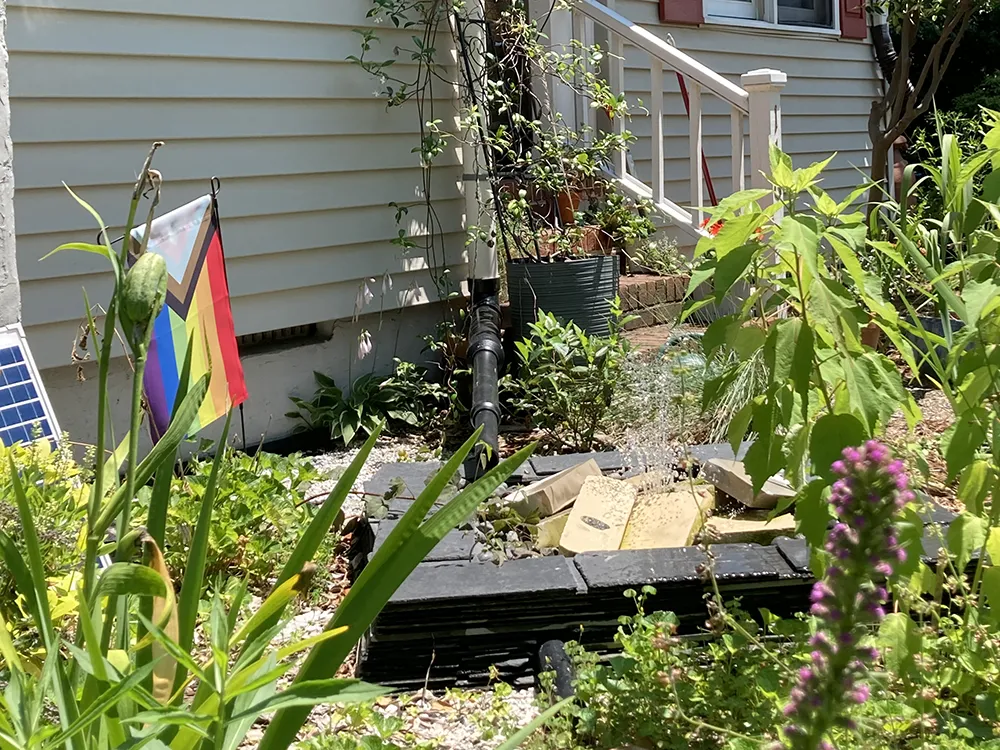
5 Things to Know About Runoff Disconnection:
- An effective approach to treating runoff at its source, especially when soils are amended
- Common for low and medium density residential lots
- Can be limited by compacted urban soils and extreme storms
- Are difficult to inspect and require homeowner maintenance
- Poorly designed disconnections can cause back yard drainage complaints
Related Resources
View All ResourcesDesign Spec
Design Spec: Rooftop Disconnection, 2013Developed by the Virginia Department of Conservation and Recreation, this design specification (updated 2013) provides guidance on disconnecting rooftop runoff...
This report (December 2016), developed by the Chesapeake Bay Program Expert Panel, establishes methods for quantifying nutrient and sediment reductions...