

Blog, Dispatches From The Intern Desk
Natural Maintenance: The Role of Leaf Litter – Dispatches From The Intern Desk
This series examines advanced stormwater programs and their technical underpinnings, providing insights for practitioners, policymakers, young professionals, and students across the Chesapeake Bay region.
How Communities Can Use Leaf Litter to Help Maintain their Local Watershed
By Jolette Lima
Each time autumn rolls around, the streets transform beneath a flurry of different colors. Leaves drift down from trees, layering the sidewalks and streets in brilliant shades of red, orange, and gold. But although this autumnal landscape may imbue communities with the spirit of the season, an abundance of leaf litter can also cause an abundance of problems. As rain falls, those extra leaves can cause precipitation to collect in the streets, and that beauty can quickly turn into something detrimental.

In natural environments, fallen leaves decompose slowly on the forest floor, where soil organisms break them down and recycle their nutrients into the ecosystem. But in cities, pavement has replaced much of that soil. Rainfall that once soaked into the ground now runs rapidly across impervious surfaces. Roads, parking lots, rooftops all are smooth surfaces that easily carry everything in its path toward the nearest storm drain. The more paved an area is, the higher its runoff coefficient, meaning a larger percentage of rainfall becomes surface flow instead of infiltration. Fast-moving water on completely non-resistant surfaces increases flooding, and accelerates pollutants being transported into nearby waterways.
Leaf litter plays a large role in that process. While a single leaf seems harmless, millions of them decomposing in the wrong place can have seriously negative environmental impacts. Organic material like leaves, grass clippings, and other debris is rich in nitrogen and phosphorus. When these nutrients wash into storm drains and streams, they fuel algal blooms that cloud the water, deplete oxygen, and harm aquatic life. Leaves and debris often clog storm drains, blocking the flow of water and increasing the risk of localized flooding. The same leaves that make fall so beautiful can also fuel nutrient pollution and flooding when left unmanaged.
Excess nutrients in runoff are one of the causes of water quality impairment in the Chesapeake Bay. As development continues, faster flows and higher levels of pollution cause stream channels to widen and deepen, eroding banks and damaging aquatic habitats. The sediment that enters streams smothers fish habitats, and reduces access to light for aquatic plants.
These challenges are made worse by the effects of global warming. Warmer air holds more moisture, and as temperatures rise, the land is already seeing stronger, more frequent storms. Systems designed for past rainfall patterns are now struggling to keep up. Intense rainfall can overwhelm stormwater infrastructure, washing leaves and debris directly into streams before maintenance crews can respond.

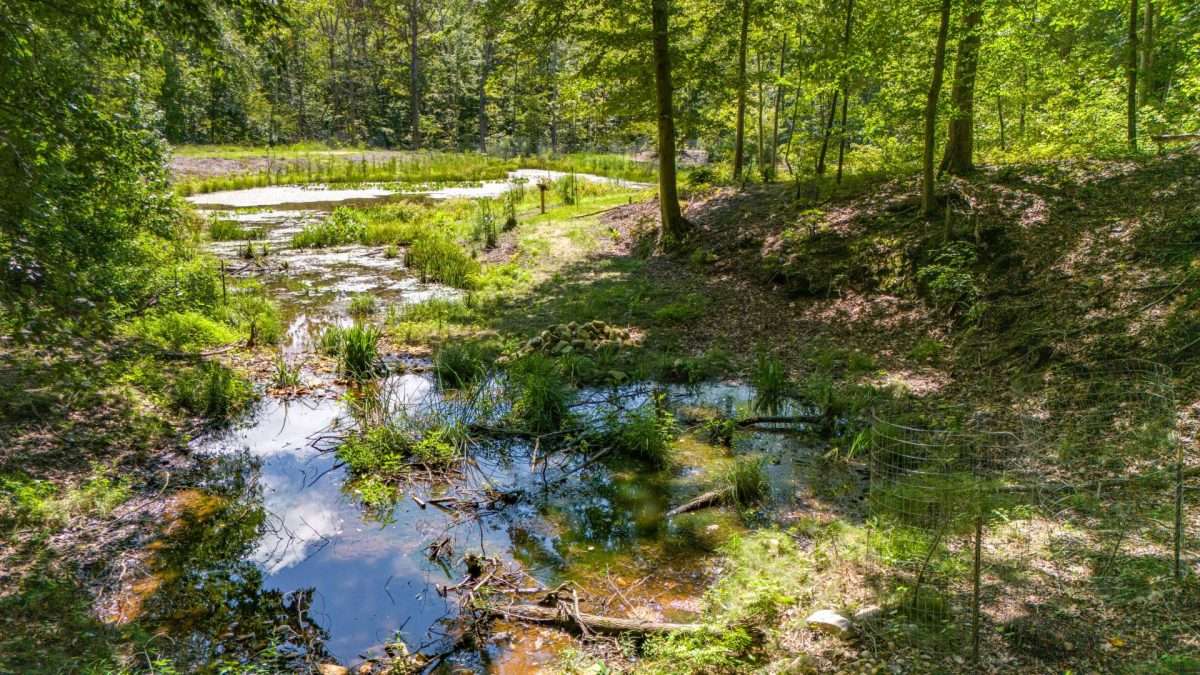
The costs of flooding and system failure are not shared equally. Research shows that flood losses grow almost twice as fast in communities where a significant portion of residents are Black or low income. In many urban areas, those same neighborhoods have less tree canopy, fewer green spaces, and older stormwater systems. When maintenance is inconsistent, drains clog faster, runoff accumulates, and flooding becomes more severe. So even though this issue appears to be a simple seasonal maintenance issue, it is also a matter of climate justice and equity.
Fortunately, solutions already exist and they start at the community level. Green infrastructure practices such as rain gardens, bioswales, and infiltration basins are designed to filter and absorb stormwater where it falls. These systems depend on regular maintenance to stay effective. Leaves that block inlets or smother plantings can drastically reduce infiltration and pollutant removal capacity. Cleaning, sweeping, and vacuuming debris from curbs and gutters are small but important steps in keeping these systems working!
There are also more sustainable ways to handle organic material. When collected properly, leaf litter becomes a valuable resource instead of a pollutant. Composting turns fallen leaves into nutrient-rich soil that supports healthy vegetation, improves infiltration, and helps with storing carbon. You could even use your composting as an excuse to start a community garden! Some municipalities have implemented seasonal leaf collection programs or drop-off sites that divert organic debris from the storm drain system. Others encourage residents to mulch their leaves in place or create compost piles at home. .
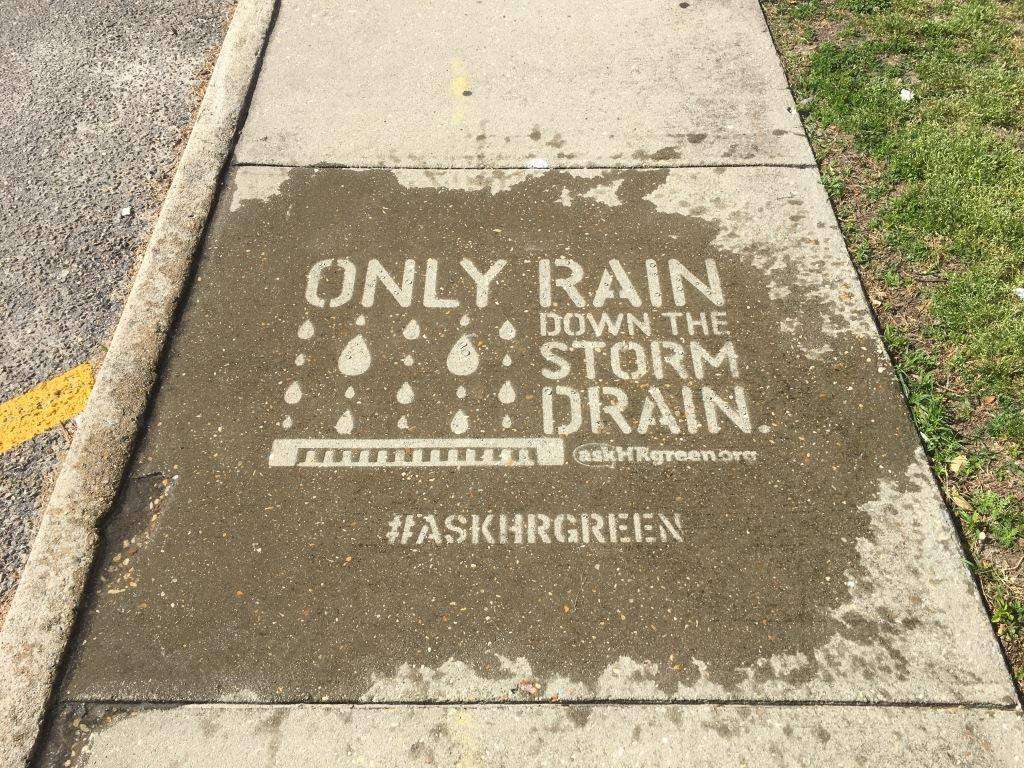
An important part of these efforts is community engagement. Local “Adopt-a-Drain” programs invite residents to clear storm drains in their neighborhoods, especially before major storms. These small volunteer actions prevent blockages, reduce localized flooding, and build awareness about the connection between everyday activities and water quality. Educational campaigns can help homeowners understand that raking leaves into the street may seem convenient, but it directly contributes to pollution and flooding downstream.
As the climate change crisis persists, maintaining clean, functioning stormwater infrastructure has become one of the best forms of adaptation. Regular maintenance of green infrastructure including removing debris, maintaining vegetation, and replacing mulch extends the life of these systems and reduces costs over time. Even small improvements in managing debris can help reduce nutrient loads to the Bay.
The transition toward resilience doesn’t have to be large-scale to be meaningful. It begins with awareness and small, consistent actions: composting instead of bagging, clearing storm drains before storms, maintaining rain gardens and swales, or simply spreading the word about why these habits matter to those in your community. Every leaf that’s composted instead of washed away represents a small piece of balance restored to the watershed!
Even as autumn colors fade and winter approaches, the season offers a quiet reminder that watershed advocacy starts close to home. The work of protecting our waterways isn’t complicated, it’s often as simple as noticing where the water goes, and what it carries with it. Clean water starts at our curbs. Each compost bin, cleared drain, and maintained gutter leads to cleaner water for everyone.
Latest Resources
View All ResourcesDeveloped by the Virginia Department of Conservation and Recreation, this design specification (updated 2013) provides guidance on disconnecting rooftop runoff...
Developed by the Virginia Department of Conservation and Recreation, this design specification (Version 1.9, March 1, 2011) provides guidance on...
Developed by the Virginia Department of Environmental Quality, this design specification (Version 2, 2013) provides guidance on using grass channels...