

Award Winner, 2025
Park Drive Stream and Gullies Restoration

Josh Burch, DC Department of Energy & Environment (DOEE)
Biohabitats, Inc.
National Park Service (NPS)
The Park Drive Stream and Gullies Restoration project restored 4 stormwater outfalls and 2 highly eroded stream gullies, totaling 1,300 linear feet of stream, at two sites in Southeast Washington, DC. The restored streams are located in Fort Davis Park, a national park that is a part of the Civil War Defenses of Washington Circle Parks. A combined area of 55.4 acres drains to both sites and consists of residential homes and roadways that were built prior to the District’s stormwater regulations. Stormwater from the surrounding communities flowed uncontrolled through outfalls onto park land, severely eroding the Fort Davis and Texas Avenue gullies. This restoration project created riffles, pools, and cascades, all designed to slow and spread the flow of water to reduce erosion and improve habitat conditions. This improved water quality both in-stream and downstream in the Anacostia River. The restoration was funded via the EPA’s Clean Water Construction Program and the EPA’s 319 Nonpoint Source Management Program and depended on a strategic partnership between the DC Department of Energy and Environment (DOEE) and the National Parks Service (NPS). The Ward 7 communities surrounding the restoration site were actively engaged throughout the entire project, from planning and design through to construction completion. This project created valuable riparian habitat, repaired stormwater infrastructure, and is a crucial step towards a restored Anacostia River.


Related Award Winners
View All Award Winners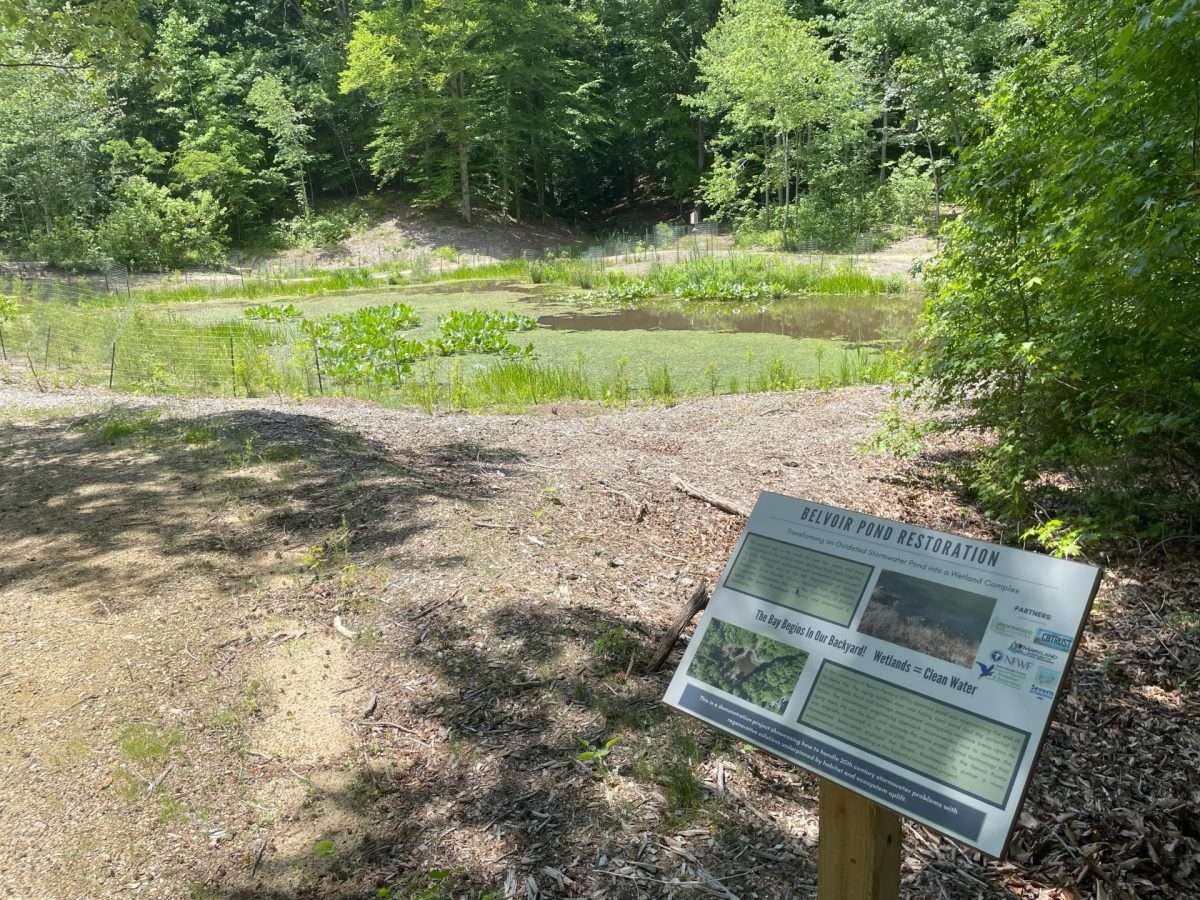
The Belvoir Farms Restoration Project in Crownsville, Maryland, was initiated by the community’s desire to transition outdated 20th-century piped stormwater...
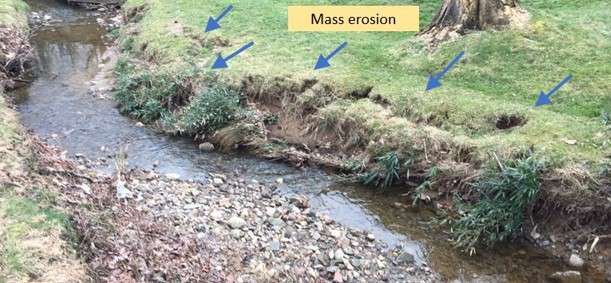
Since the implementation of the Chesapeake Bay TMDL municipalities learned that stream restoration is the most cost-effective best management practice...
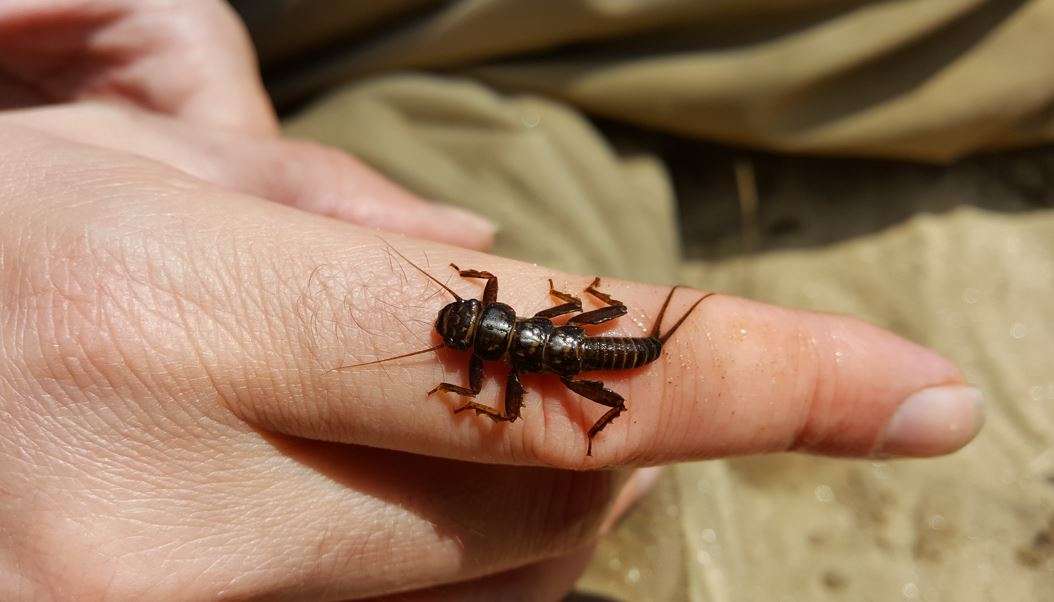
Beginning in 2016, Fairfax County began benthic macroinvertebrate monitoring in the fall at five (5) locations as part of the...