

Award Winner, 2025
Low Mow Zones Within Parks
Bob Cassilly, Paul Magness, Robert Marconi, and Steve Condax
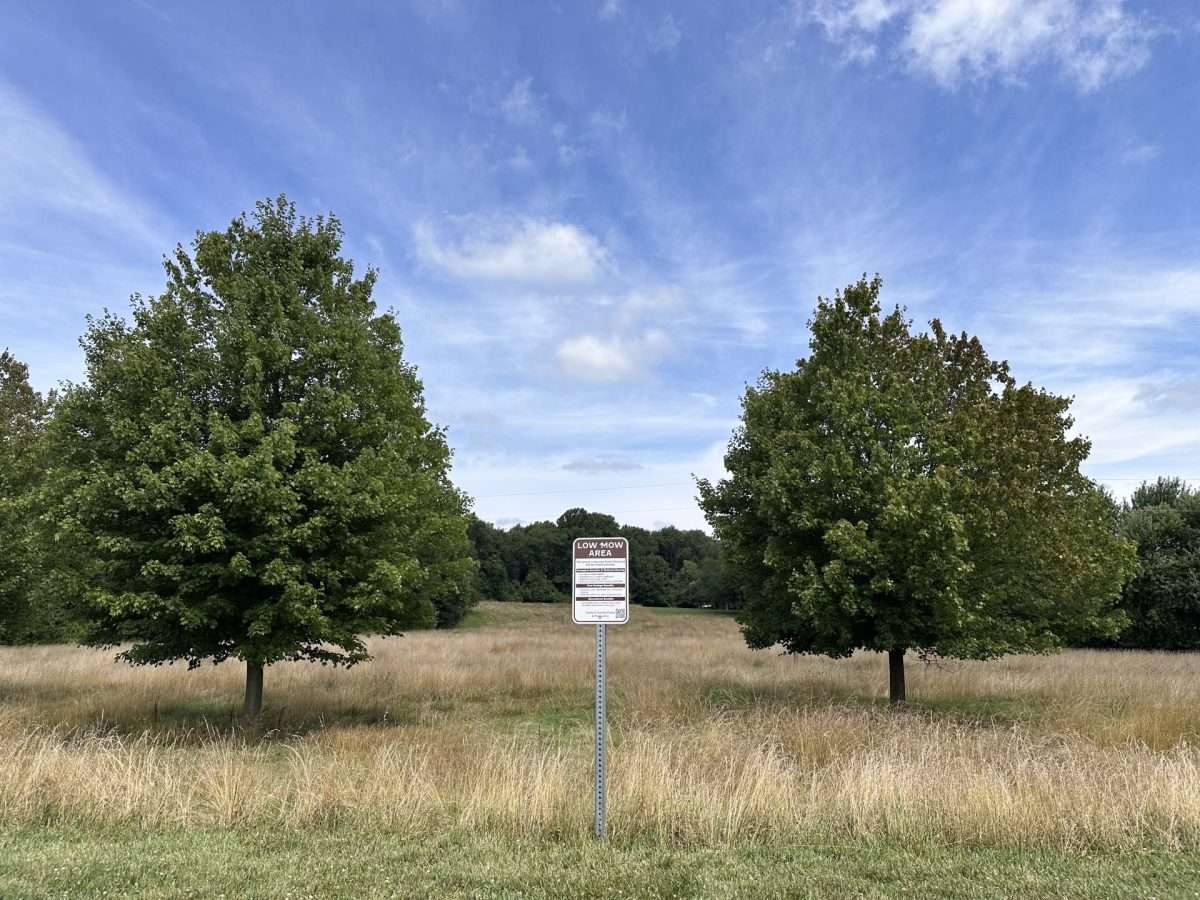
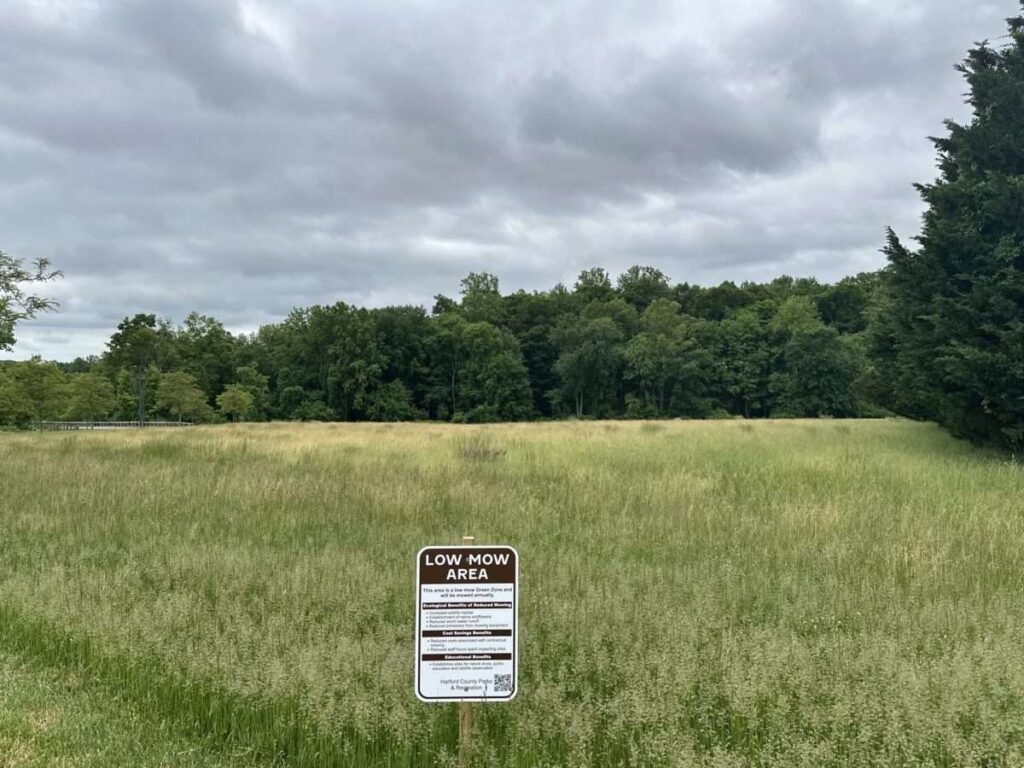
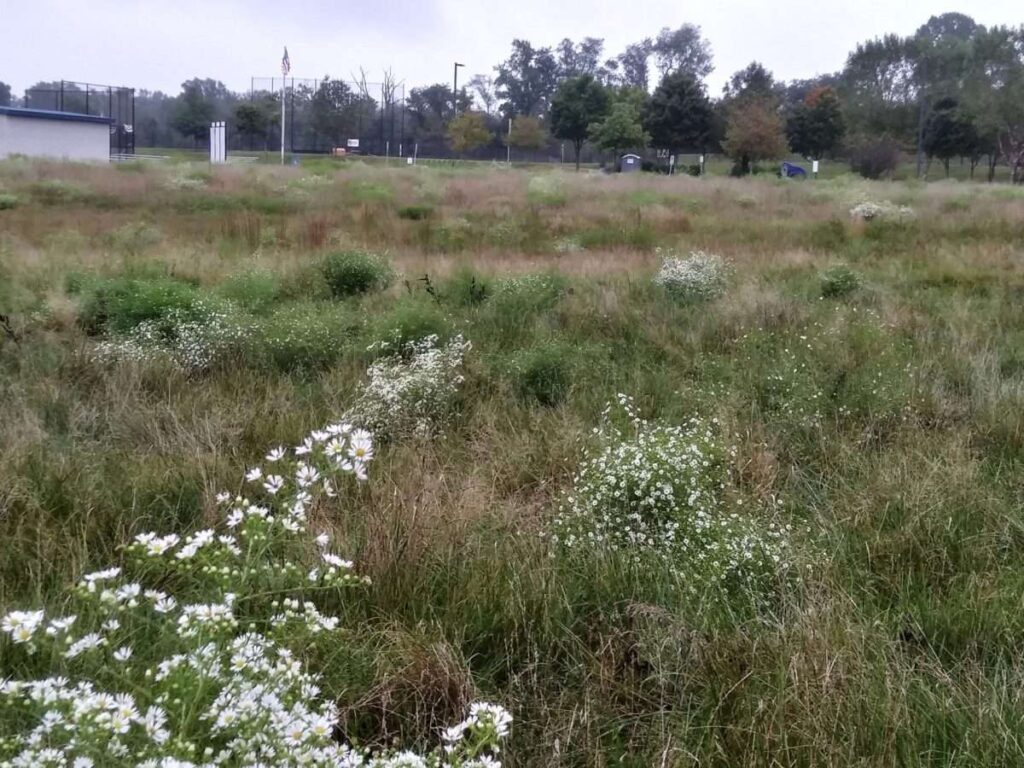
The Harford County Parks and Recreation Low Mow Program is a sustainability initiative directed by County Executive Bob Cassilly. The program is designed to reduce mowing costs, improve ecological health, and enhance park aesthetics. The Parks & Recreation team consisting of Director Paul Magness, Maintenance Administrator Steve Condax, and Contract Specialist Rob Marconi implemented across Cedar Lane Park, Chapel Road Park, Edgeley Grove Park, Prospect Mill Park, Schuck’s Road Park, and the Facilities & Operations building, this program strategically removed 42.48 acres from weekly mowing cycles. By allowing designated areas to grow naturally, the county has reduced maintenance costs by $26,000 while fostering native habitats for pollinators and wildlife. The success of this initiative is a testament to the dedication of the Parks & Recreation team, consisting of Director Paul Magness, Maintenance Administrator Steve Condax, and Contract Specialist Rob Marconi, who work collaboratively to ensure effective implementation and long-term sustainability. This initiative balances fiscal responsibility with environmental stewardship, ensuring parks remain beautiful, functional, and sustainable for future generations. Additionally, these areas are more drought resistant, have increased stormwater infiltration, increased water filtration, and reduced air pollution.


Related Award Winners
View All Award Winners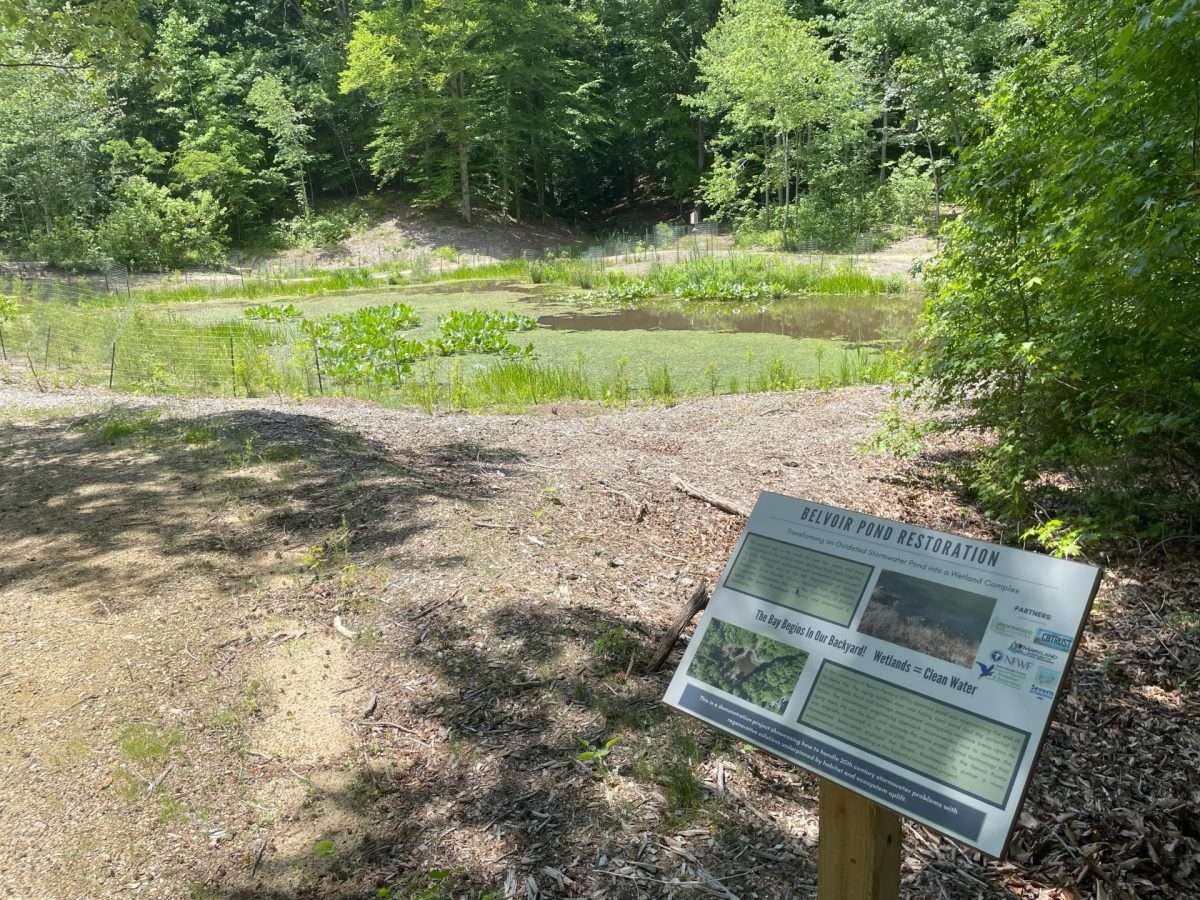
The Belvoir Farms Restoration Project in Crownsville, Maryland, was initiated by the community’s desire to transition outdated 20th-century piped stormwater...
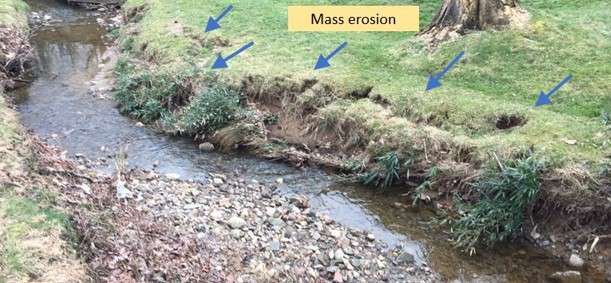
Since the implementation of the Chesapeake Bay TMDL municipalities learned that stream restoration is the most cost-effective best management practice...

Beginning in 2016, Fairfax County began benthic macroinvertebrate monitoring in the fall at five (5) locations as part of the...