

Award Winner, 2025
Suburban Wetland Habitat

Welspryng LLC – Design and Construction
Mary and Mike Petschauer – Homeowners
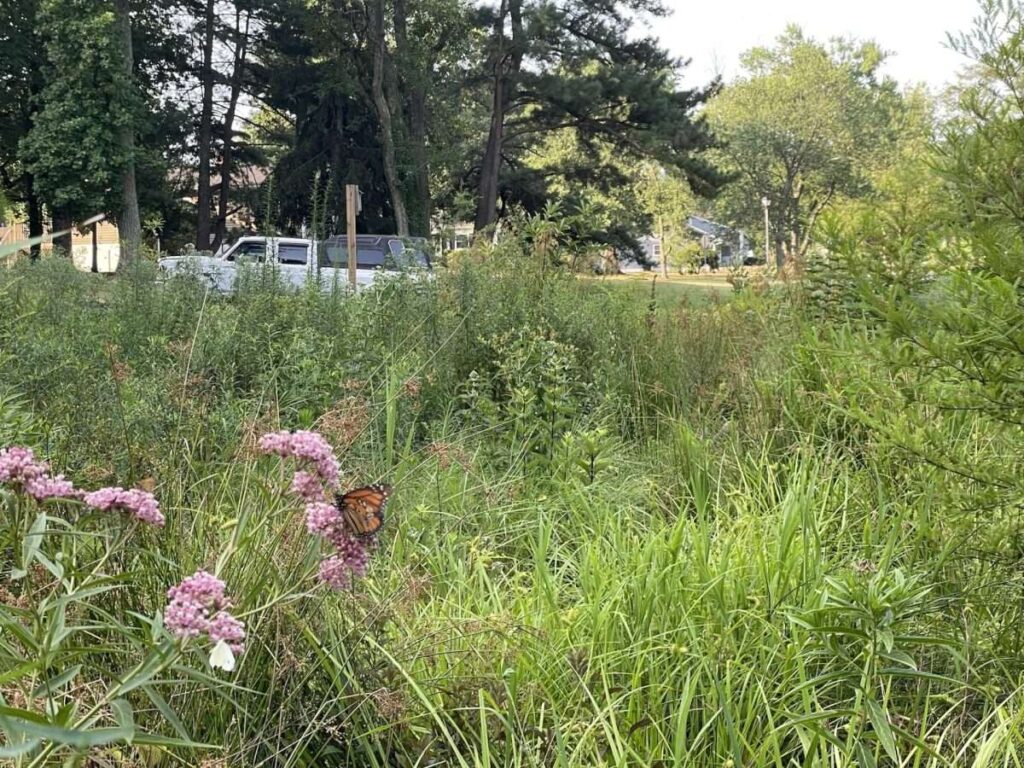
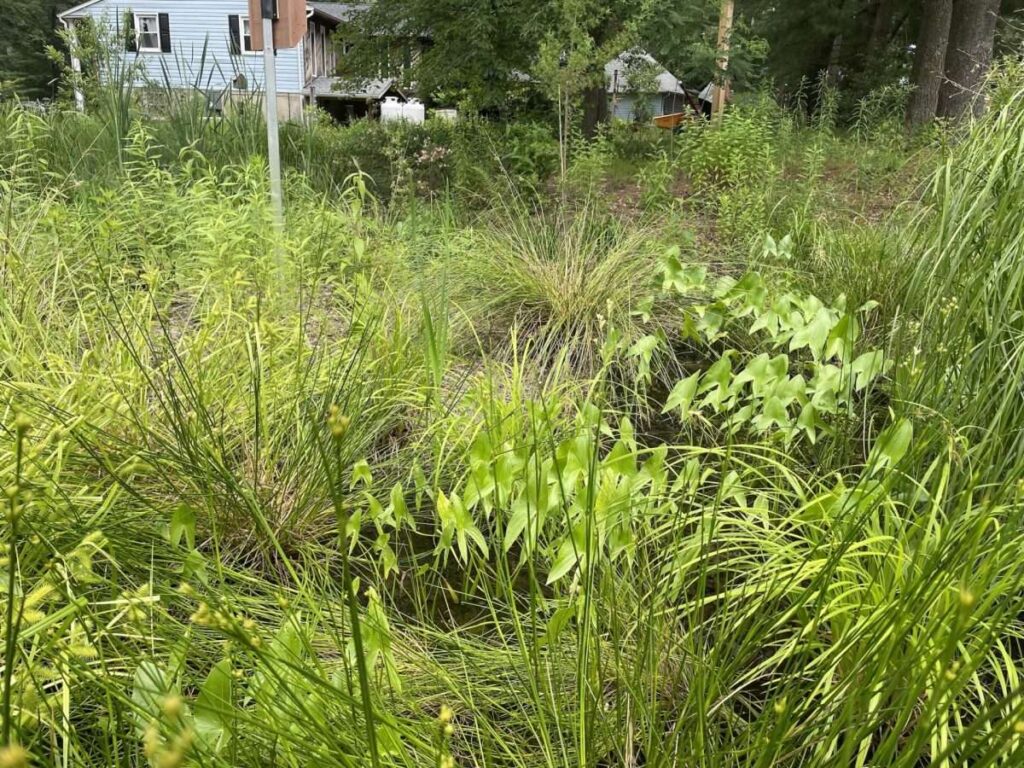
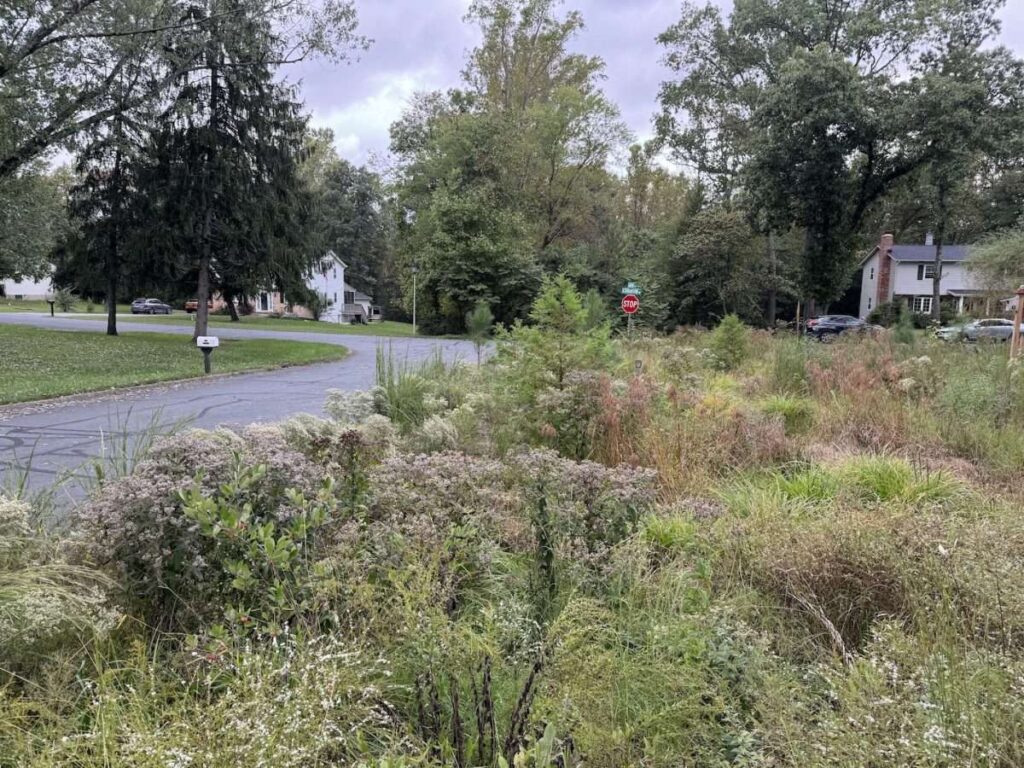
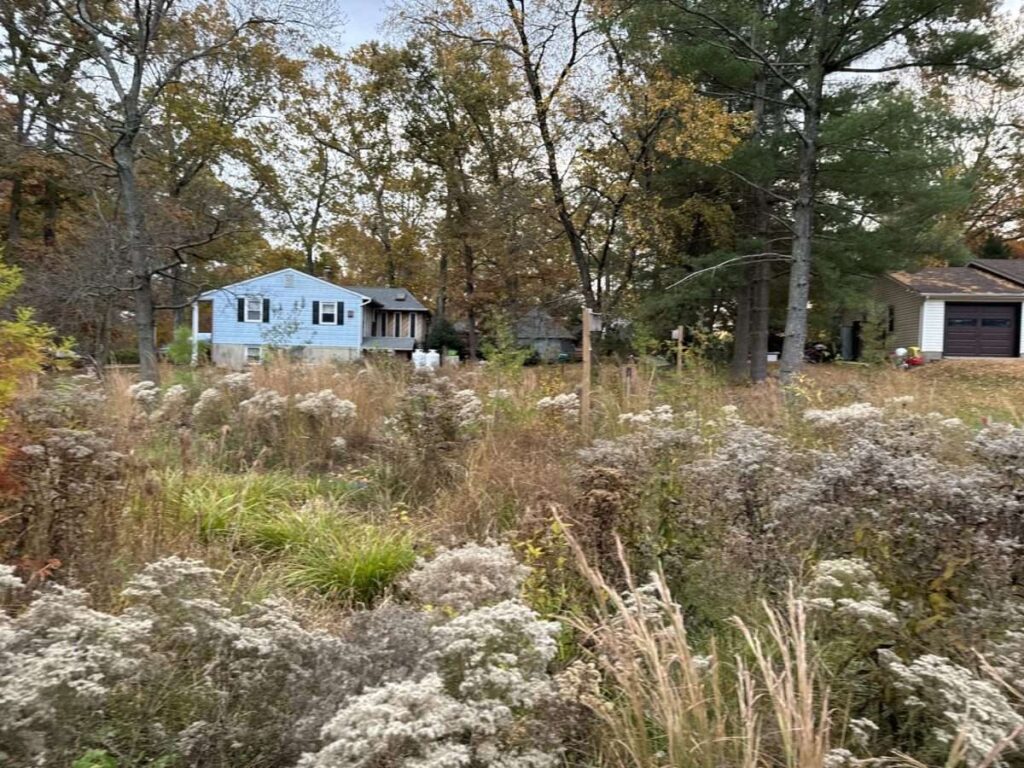
Situated on a corner lot in a subdivision of 1/2 acre parcels, a landscape featuring Little Bluestem, New York Aster, Royal Fern, Highbush Blueberry and Swamp Magnolia stands in contrast to the surrounding patchwork of cross-mown turfscapes. The homeowners, who desired a habitat garden, struggled for years to maintain the saturated yard. Due to the unique geology of the area, the 1960’s sub-division, which drains to Severn Run, is notorious for ground water seeps and wet basements, with curb lines throughout the neighborhood constantly flowing with sump pump discharge, even during the drier summer months. Working with the topography of the site, 8,000 square feet of turf was stripped and 3,000 square feet of wetlands were created in a series of shallow pools that step down through the site with an overflow to an existing storm inlet.
In addition to harnessing natural on-site seeps, two downspouts and five sump pump lines that previously discharged directly to the storm inlet were redirected to feed into the wetland (three from the site and two from the neighbors). The wetland project compliments a downstream Step Pool Stormwater Conveyance (SPSC) that was constructed several years ago to extend the stormwater treatment process further up into the landscape and provide a higher profile demonstration of the stewardship efforts that have been implemented in the community. Over 2000 native plants were installed. Native plants, being adapted to the local environment, will better withstand extreme weather events such as droughts and heavy storms and store carbon dioxide effectively through deep root systems. Native gardens provide habitat for wildlife and require less maintenance than non-native plants and lawns, reducing the environmental impact of the landscape. The garden provides visual interest throughout the year and always has something new to offer the homeowners and passersby.
Related Award Winners
View All Award Winners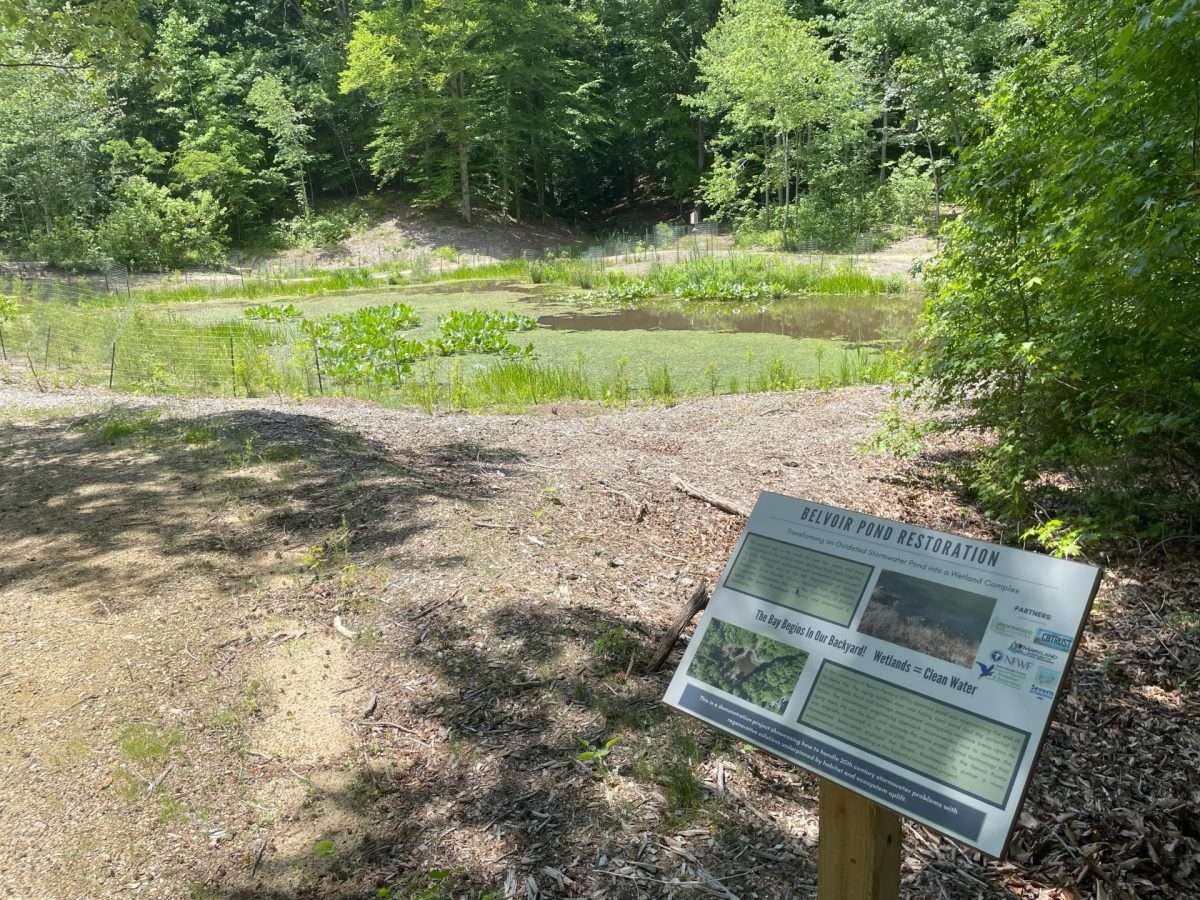
The Belvoir Farms Restoration Project in Crownsville, Maryland, was initiated by the community’s desire to transition outdated 20th-century piped stormwater...
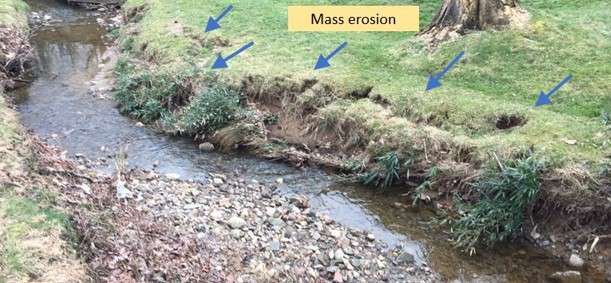
Since the implementation of the Chesapeake Bay TMDL municipalities learned that stream restoration is the most cost-effective best management practice...
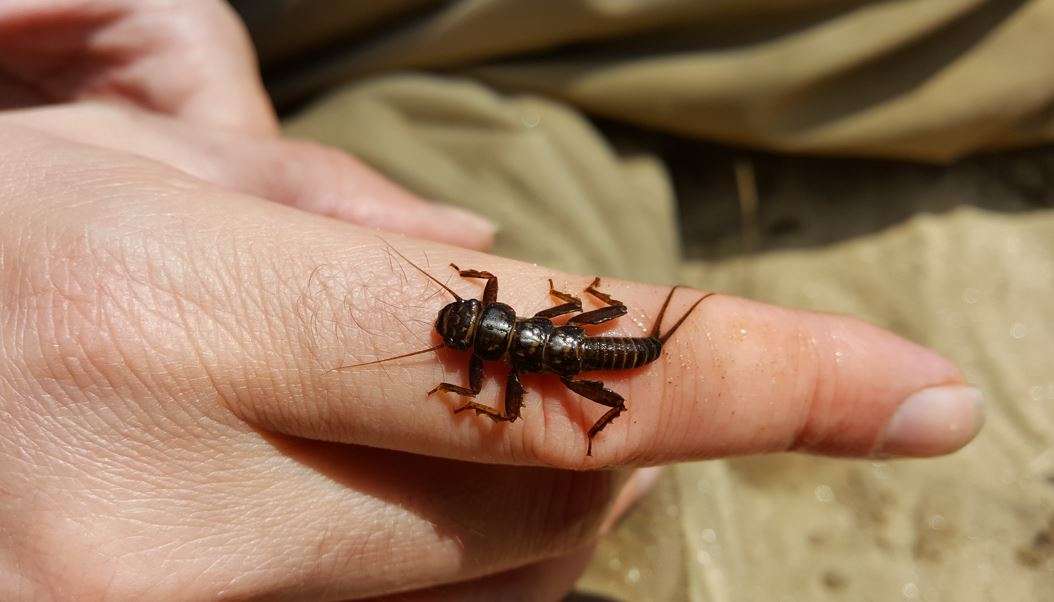
Beginning in 2016, Fairfax County began benthic macroinvertebrate monitoring in the fall at five (5) locations as part of the...